Which rice cooker is the best
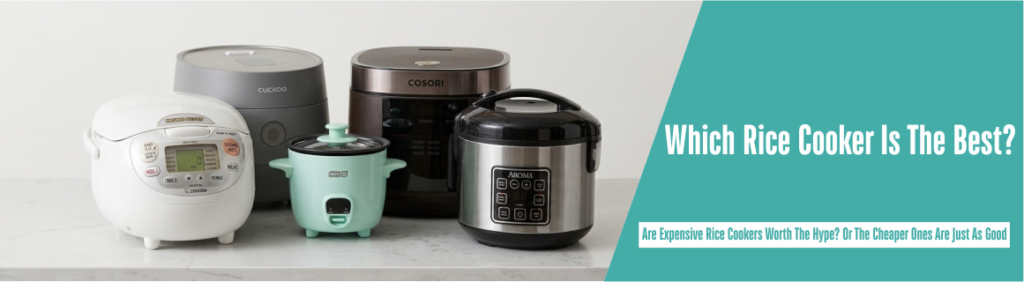
Are Expensive Rice Cookers Worth the Hype? Or the cheaper ones are just as good.
By FORD LEWIS
Choosing the best rice cooker can be confusing, given that there are many options available today. However, the right rice cooker can completely change your cooking experience. It saves time, ensures perfect texture, and reduces the stress of cooking rice daily. Whether you are cooking basmati, brown, or sushi rice, a good rice cooker delivers consistent results every time.
But with different brands and technologies available, the million-dollar question remains the same. Which rice cooker is the best? Do you need to buy an expensive rice cooker to cook the perfect rice, or are the cheaper brands just as good?
To answer that question, we at Rice Hub rounded up the eight most popular rice cookers. We cooked white, brown, and sushi rice in multiple batch sizes to assess the precision, consistency, and convenience of each rice cooker.
Each batch was analysed for
- Even cooking without burning
- Perfect moisture balance
- Automated temperature control
- Time-saving efficiency
Our recommendation focuses on performance-driven features rather than price alone, as the best models provide long-term value and reliability.
Our Recommendation
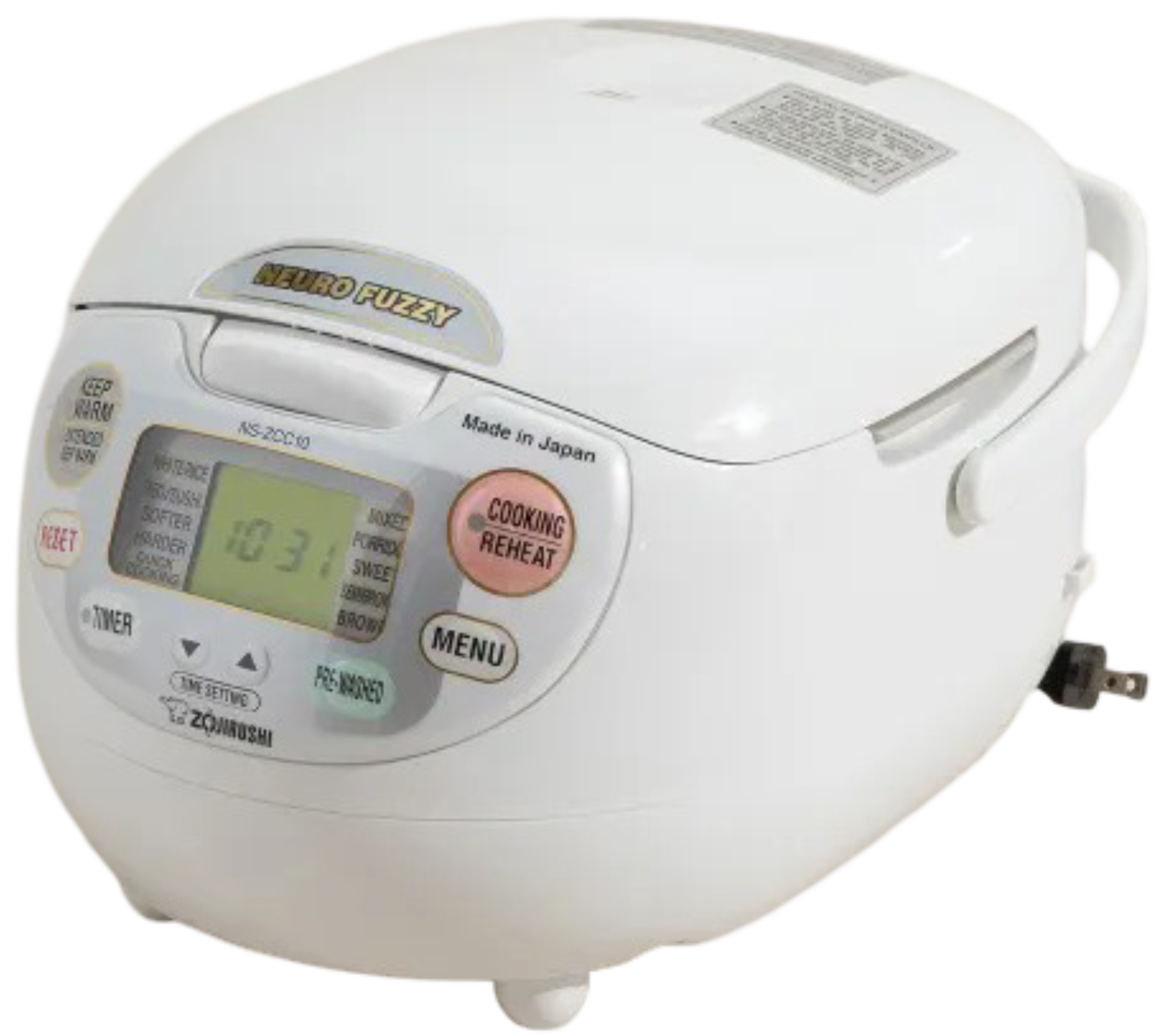
Zojirushi Neuro Fuzzy (NS-ZCC10)
Modern design features and an intuitive interface. Made the best, most consistent batches of rice.
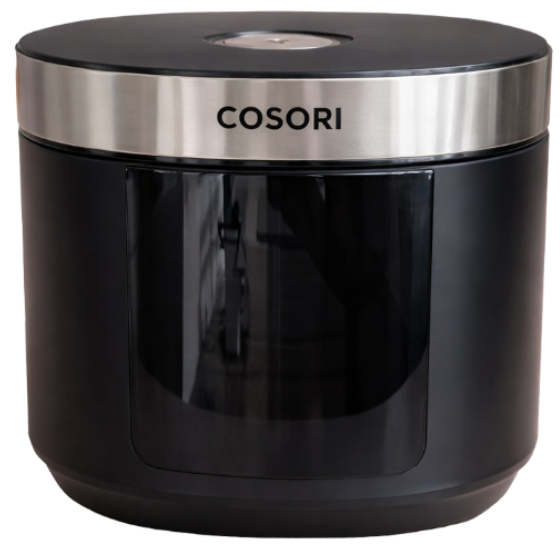
COSORI Rice Cooker
Performed excellently across all batch sizes and rice types. Cooks fast in both regular and quick mode.
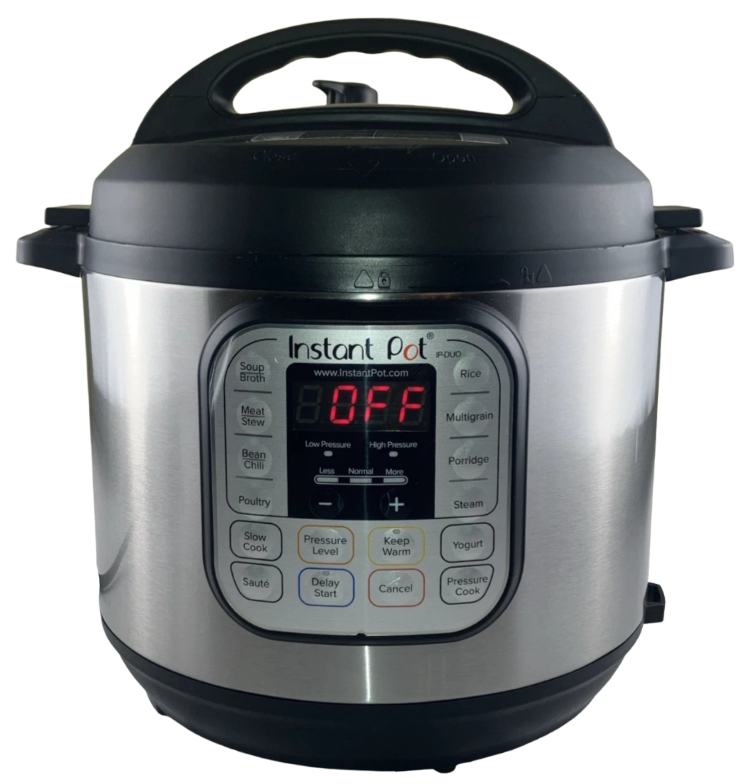
Instant Pot Duo
Multi-purpose pressure cooker with dedicated rice mode. Good for making large batches of white and brown rice in less time.
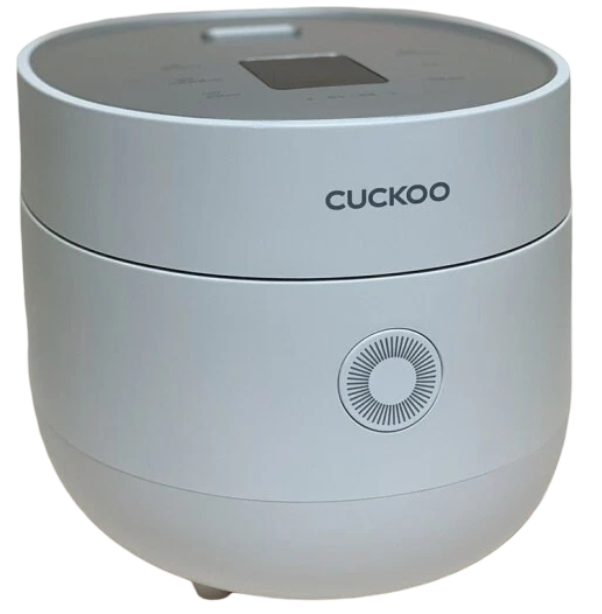
CUCKOO CR-0675FG
Modern design with an intuitive interface. Perfect for cooking white rice. All batches came out fluffy and tender.
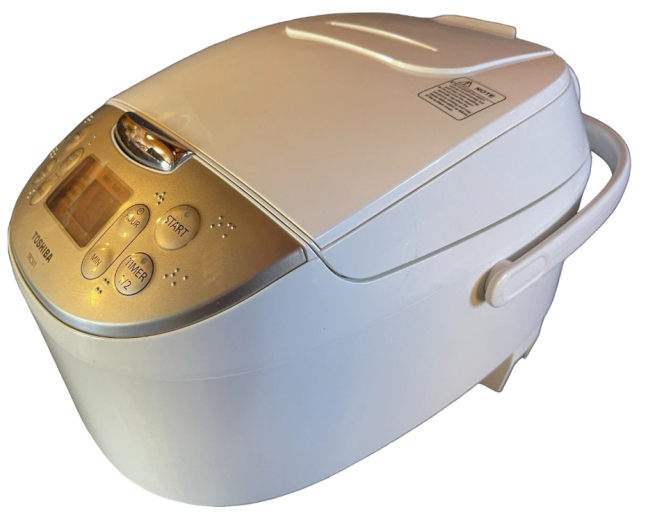
TOSHIBA (TRCS01)
This Japanese rice cooker is great for cooking white, brown, and sushi rice. However, it does tend to produce rice that can be a bit on the drier side.
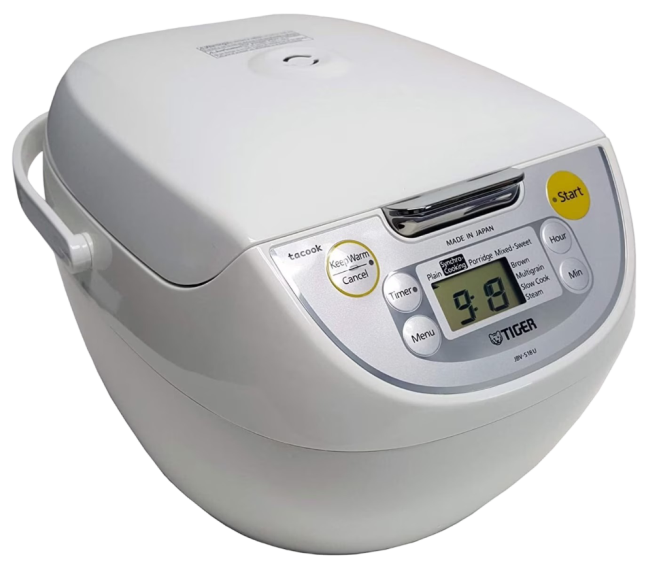
Tiger (JBV-S10U)
Comes with tacook synchronised cooking function, ideal for preparing large quantities of white, brown and sushi rice. not suitable for cooking a single cup of rice.
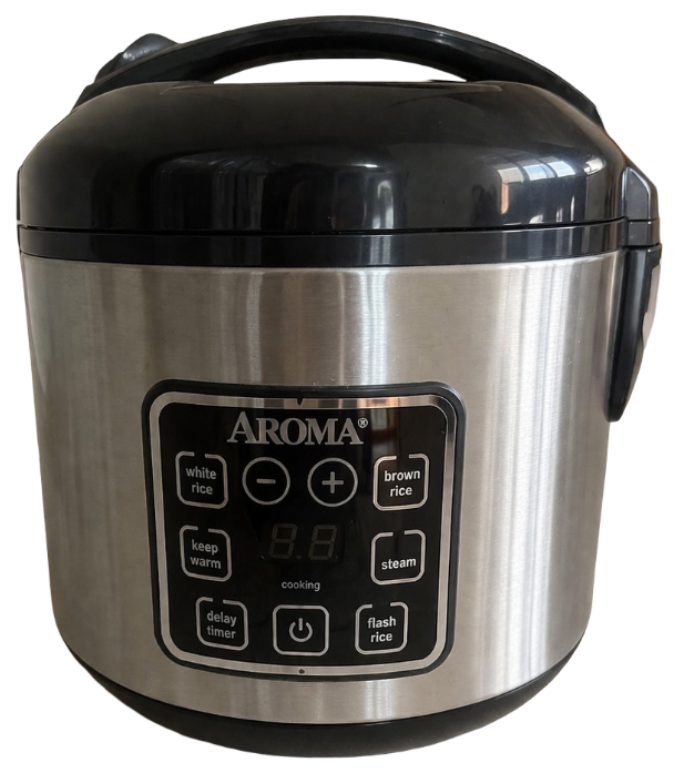
Aroma ARC-914SBD
Best low-cost option. Performs well with medium and larger batches of white and brown rice.
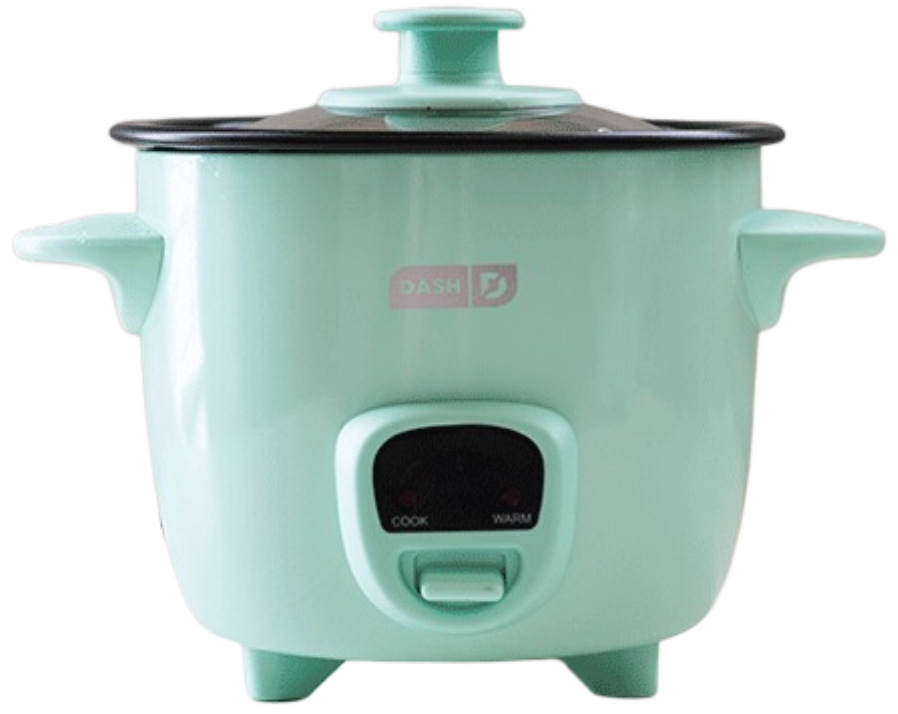
Dash Mini Rice Cooker
Ultra-compact, cheap and great for small spaces. White and brown rice come out wet and mushy. Makes good Sushi Rice.
Features that makes a Rice Cooker Ideal
 Tech and Performance
User-Friendly Interface
Uniform Consistent Cooked Grains
Fluffy Chewy Grains
Zojirushi Neuro Fuzzy(NS-ZCC10)
The Zojirushi uses its advanced Fuzzy Logic technology, allowing it to adjust the temperature and heating time to cook perfect rice every time. To put this to the test. All batches of white rice came out consistent and perfect. Brown rice was tender and evenly cooked. Sushi rice had the ideal stickiness without turning mushy.
The Neuro Fuzzy “smart” technology is what defines this cooker. It is no gimmick, it actually works. The cooker adjusts cooking time and temperature as it goes, so the rice comes out perfectly fluffy, tender, and evenly cooked every time.
To assess the performance of this technology, we cooked 1 cup, 3 cups, and 4 cups of rice. All batches of white rice came out consistent and perfect. One cup of rice was slightly softer than the larger ones. But after adjusting the water ratio, it turned out to be perfect. Brown rice was tender, nuttier and evenly cooked. Sushi rice had the ideal stickiness without turning mushy.
Besides the high price, the one downside is speed. Three cups of white rice took 53 minutes, and brown rice took 1 hour and 43 minutes.
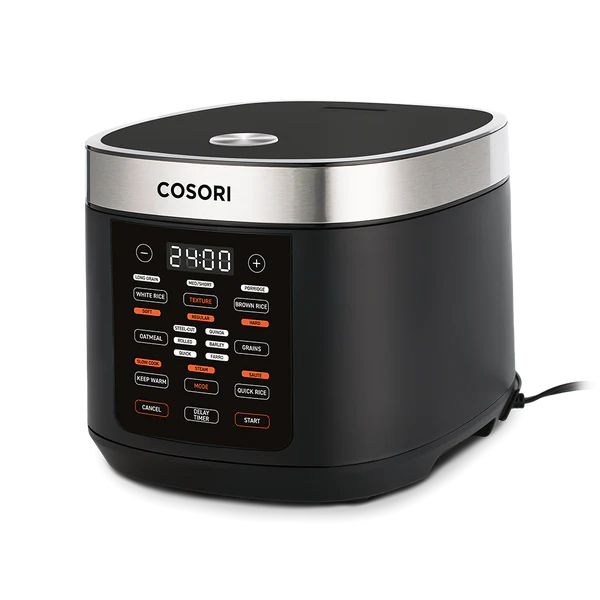
COSORI Rice Cooker
The cooker has a wide range of settings for different types of white and brown rice with texture options, and can steam vegetables and slow cook soups. It can handle up to 10 cups of uncooked rice. It performed exceptionally well in all areas. White rice cooked fluffy with separate grains. Brown rice had a nuttier taste with a chewy texture, and sushi rice had a required stickiness and firm texture essential for holding its shape.
Cosori is an 18-function rice cooker that lets you choose from different types of white and brown rice, with texture options, 3 types of grains, 3 types of oats, steamed vegetables, slow-cook soups, and sauté-flavoured rice. It comes with a ceramic-coated non-stick inner pot, a large steamer basket, a rice paddle, and a measuring cup.
The 7-step fuzzy-logic cooking process ensures that each grain is cooked evenly and fluffy. As a result, the performance was exceptional. White rice cooked fluffy with separate grains. Brown rice had a nuttier taste with a chewy texture, and sushi rice had a required stickiness and firm texture essential for holding its shape.
Instant Pot Duo
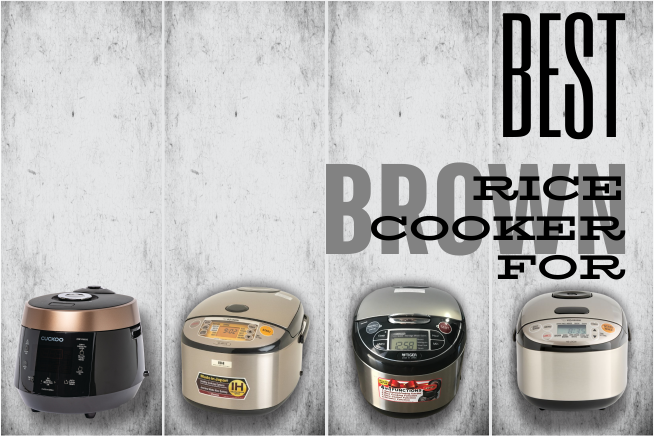
The Instant Pot is not a dedicated rice cooker. It is an electric pressure cooker with a dedicated rice setting. If speed is your priority, this is the cooker to buy. White rice took 23 minutes, and brown rice took 43 minutes total, including the rest time, to cook. Made the Best Brown Rice.
The Instant Pot is a versatile multi-cooker with 7 cooking functions and 13 customizable programs. It is not a dedicated rice cooker, but an electric pressure cooker with a dedicated rice setting. If speed and convenience are your priority, this is the cooker to buy. Three cups of white rice took almost 23 minutes, while the other cooker averages at about 45 minutes. Brown rice took 43 minutes total, including the rest time. Most of the other rice cookers take over an hour.
All of the above sounds good. But during testing, there were many inconsistencies. Small batches of white rice turned out wet, mushy, and slightly undercooked. Medium and larger batches came out much better. Brown rice turned out especially well. In all the batches, the grains were fluffier, well-separated and nuttier with a good chew.
The stainless steel inner pot is a good option if you want to avoid non-stick coatings. The only downside is that rice sticks to the pot when dried. So it is recommended to empty the pot when the rice is cooked. Otherwise, you will have to soak it for a while before scrubbing.
CUCKOO Micom Rice Cooker
With adjustable settings and easy-to-use controls, you can enjoy a wide range of dishes, perfect for all rice lovers. All batches of white rice we cooked came out fluffy and tender. But sushi and brown rice came out wet and mushy.
The Cuckoo rice cooker offers dedicated operating modes for white rice, GABA rice, porridge, scorched rice, baby food, and more. It has versatile functions for different grains and textures, and even has an auto-clean function.
We tested the auto clean mode. It does a pretty decent job, but leaves a loose starch residue. You still need to wipe everything after. The inner lid pops off, which makes cleaning easier.
Testing the performance of the cooker. All batches of white rice came out excellent, fluffy and tender. But sushi rice was a bit too wet and mushy. Same with the brown rice. It was a bit too mushy, and the grains split open instead of staying intact. The quick-cook mode saved 14 minutes without impacting the texture.
TOSHIBA TRCS01
The Toshiba rice cooker comes with a steamer basket and a simple multi-menu. It has all the standard settings for different types of rice and a quick rice setting for faster cooking. All batches of white rice we cooked came out fluffy, with good chew and no burning on the bottom. Brown rice came out nuttier, but a bit drier. The sushi rice came out sticky and chewy, with good structure.
Toshiba is a Japanese rice cooker that has a simple menu with physical buttons for different types of rice, such as white, brown, mixed, multi-grain, steel-cut oats and porridge settings for rice porridge. A quick cook mode for faster cooking.
To test the performance of this Japanese rice cooker, we cooked one cup, three cups, and five cups of rice. White rice across all batches came out fluffy with clear, separate grains and no burning at the bottom, but it didn’t retain as much moisture as the others. Brown rice showed the same pattern with a nuttier and good texture, but a bit drier. But the sushi rice came out sticky and chewy with good structure.
Tiger JBV-S10U Micom Rice Cooker
The TIGER multi-functional electric rice cooker comes with tacook synchronised cooking function, allowing you to prepare two dishes simultaneously. In terms of performance, white rice performed excellently in medium and large batches. Brown rice came out light and fluffy with great texture, and sushi rice had good stickiness.
The TIGER multi-functional electric rice cooker comes with tacook synchronised cooking function, allowing you to prepare two dishes simultaneously. This special cooking plate can be used to steam vegetables or slow-cook meats simultaneously. The biggest issue is the inner lid. The inner lid does not come off, so instead of rinsing it with water, you have to wipe it clean with a cloth.
White rice cooked excellently in 3 and 5-cup batches. But the 1-cup batch had a thin, starchy rice formed at the bottom, and some mushiness; the rest of the rice cooked very well. Brown rice came out light and fluffy with great texture, and sushi rice had good stickiness with only minor scorching at the bottom. The quick-cook mode worked well, saving about 16 minutes without impacting the texture.
AROMA ARC-150SB
It is a low-cost programmable rice cooker with separate settings for white rice, brown rice, steam, keep warm, and quick cook, plus a delay timer. The performance was fairly good. White rice came out fluffy with small, moist grains. The brown rice was tender, with well-separated grains.
Aroma is a low-cost programmable rice cooker with an automatic Keep Warm mode. It comes with a non-stick inner pot, a steam tray, a rice paddle, and a measuring cup. It has an array of preset settings for white rice, brown rice, steam, keep warm, quick cook, and a delay timer. The inner lid pops off easily for cleaning, which we liked, but the water-level markings inside the pot are of the same colour as the coating, so they are sometimes hard to read while using. Overall, it performed well with a few exceptions.
It can handle up to four cups of uncooked rice. We cooked one cup of white rice, which came out wet and slightly mushy with some scorching at the bottom. One cup of sushi rice also came out wet and sticky. However, the three and four cups of white rice came out perfect. The texture was much better with good moisture and even cooking across the pot. Brown rice also came out tender with well-separated grains.
DASH Mini DRCM200
It is the cheapest and also the smallest. A two-cup, single-serve rice cooker that comes with only two modes: cook and keep warm. There are no presets or quick mode options. The pot is nonstick and has a loose glass lid.
The Dash Mini is an ultra-compact and the cheapest rice cooker we tested. Designed for small spaces and single servings, this cooker is perfect for college dorms, single-person apartments, camper/RV travelling, or for someone who only cooks small portions of rice. Its lightweight makes it an ideal portable machine. Despite its size, it has multiple uses, including the ability to steam vegetables or cook oatmeal and soup.
During testing, the rice cooker showed some inconsistency with a few batches of rice. The rice bubbled over and made a huge mess. But after adjusting the water ratio, that problem was solved. White and brown rice came out wet, mushy, and inconsistent. But we were impressed by the sushi rice.
How we selected
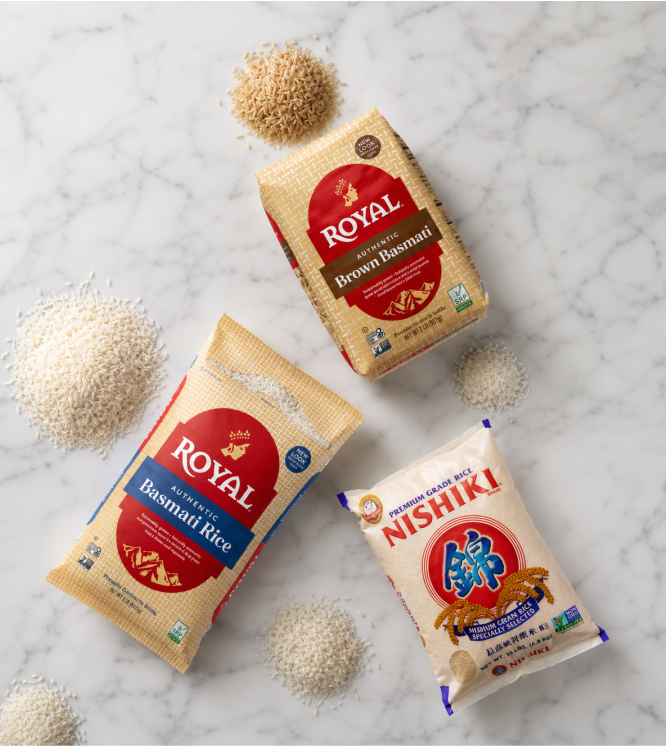
To evaluate the performance of each rice cooker, we prepared one cup, two cups, and four cups of white, brown, and sushi rice. At Rice Hub, we followed the following steps to assess the consistency of each appliance:
Rinse the Rice: We rinsed the rice for exactly five minutes using a fine mesh strainer over a large bowl to remove the excessive starch.
The Rice Cooker: Followed each brand’s recommended rice-to-water ratio for every test.
The Final Result: We followed the instructions of each rice cooker and pressed the dedicated buttons to cook rice.
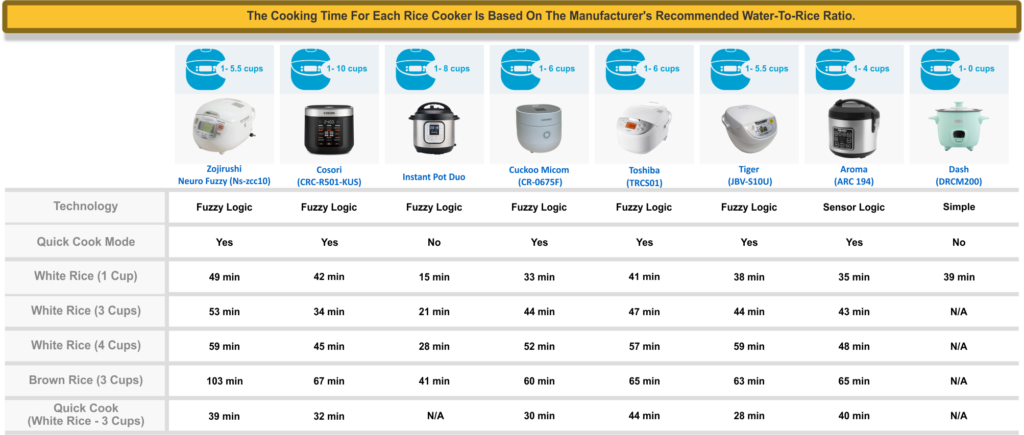
We noted the cooking times for each batch to determine which ones cooked faster or slower. We also noted how the speed influenced the quality of the rice, considering whether shorter or longer times made any difference in its texture.
Note:
Best Option: Zojirushi Neuro Fuzzy(NS-ZCC10)
Zojirushi Neuro Fuzzy(NS-ZCC10)
The Zojirushi uses its advanced Fuzzy Logic technology, allowing it to adjust the temperature and heating time to cook perfect rice every time. To put this to the test. All batches of white rice came out consistent and perfect. Brown rice was tender and evenly cooked. Sushi rice had the ideal stickiness without turning mushy.
What we liked: Available in 5.5- and 10-cup (uncooked) capacities, the Zojirushi Neuro Fuzzy (NS-ZCC10) produced the fluffiest rice among the rice cookers we tested.
All batches of white rice came out consistently perfect and fluffy. One cup of rice was slightly softer than the larger ones. But after adjusting the water ratio, it turned out perfectly. Brown rice was tender, nuttier and evenly cooked. Sushi rice had the ideal stickiness without turning mushy.
Its easy, thoughtful design features make it an ideal home appliance. A retractable power cord. Removable inner lid. Clear, easy-to-read water level markings on the inner pot with handles that let you lift the pot. This thoughtful design also ensures that the pot can be placed in the correct orientation, keeping the measurement markings clearly visible.
A wide range of settings is easy to navigate. Zojirushi Neuro Fuzzy(NS-ZCC10) has dedicated settings for white rice, brown and semi- brown (regular/sushi, softer or harder), mixed, porridge, sweet and quick cooking. Separate buttons for automatic keep-warm, extended keep-warm, and reheat cycles.
What we did not like: Besides the high price, the one downside is speed. Every Zojirushi rice cooker that we tested has a slow cooking cycle, and this model is no exception. In fact, the Zojirushi Neuro Fuzzy(NS-ZCC10) took the longest to cook rice out of all the models we tested.
Three cups of white rice took approximately 55 minutes, and brown rice took 1 hour and 45 minutes. In Quick Cook mode, 3 cups of white rice took 41 minutes, which was pretty impressive.
But, this long cooking time contributed to the rice’s flavour, resulting in a flavourful, tender and fluffy rice with no mushiness or burns at the bottom.
One cup of white rice did not come out the way larger batches cooked. It was slightly softer and mushier than the larger ones.
Note:
Best Choice For Home Use: COSORI Rice Cooker
COSORI Rice Cooker
The cooker has a wide range of settings for different types of white and brown rice with texture options, and can steam vegetables and slow cook soups. It can handle up to 10 cups of uncooked rice. It performed exceptionally well in all areas. White rice cooked fluffy with separate grains. Brown rice had a nuttier taste with a chewy texture, and sushi rice had a required stickiness and firm texture essential for holding its shape.
What we liked: Even though Cosori rice cooker is pitched as a rice cooker. It does more than just cook rice. It has dedicated modes for Oatmeal, where you can choose from steel-cut, rolled. Grains mode helps you choose from quinoa, barley, and farro . Steam Mode to steam healthy dishes like vegetables, fish, chicken, eggs, and seafood. Sauté Mode Cook up veggies, meats, and more.
If someone’s goal is to cook different meals other than just rice. This is the rice cooker one should get. Available in 10-cup (uncooked) capacities. The 7-step fuzzy logic cooking process ensures that each grain is cooked evenly, tender and fluffy.
Performance was excellent across the board. The 1, 3, and 4 cups batches of white rice all came out evenly cooked with good chew, clear grain separation, and no burning on the bottom. Brown rice was tender and evenly cooked, and the sushi rice had ideal stickiness without turning mushy.
The quick-cook mode only saved 3 minutes, and it did not affect the texture of the rice.
Both the inner lid and steam cap pop open, making it easy to clean. The inner pot is ceramic-coated non-stick, which is dishwasher safe.
What we did not like: One noticeable aspect of the cooker is its impressive size. The lid reaches about 19 inches in height when opened, which makes it taller than most standard cabinets and countertops, typically around 18 inches.
Additionally, the water level markings can be difficult to see since they are engraved into the pot itself. Once you start filling the items and start adding the water, it becomes difficult to see the markings. These markings should have been painted white for clear visibility.
Multi-Purpose: Instant Pot Duo
Instant Pot Duo
The Instant Pot is not a dedicated rice cooker. It is an electric pressure cooker with a dedicated rice setting. If speed is your priority, this is the cooker to buy. White rice took 23 minutes, and brown rice took 43 minutes total, including the rest time, to cook. Made the Best Brown Rice.
What we liked: The Instant Pot is not a dedicated rice cooker; it is a pressure cooker with a dedicated Rice mode.
To test the performance of the rice mode, we followed the instructions and water-to-rice ratio of the Instant Pot for both white and brown rice. 3 and 4 cups of white cooked, fluffy and tender. Brown rice, on the other hand, came out excellent. The grains stayed intact with a good chew and did not split open.
If speed and convenience are your priorities, this rice cooker is best for making brown rice. 3 cups of brown rice took 42 minutes to cook. It is the fastest that we tested.
7 Cooking Functions that include Pressure cook, slow cook, sauté, steam, rice, yoghurt, and keep warm—all in one appliance.
The stainless steel inner pot is another reason to buy this cooker (if you want to avoid non-stick coated pots). The downside is that rice sticks badly, so you have to soak it for a while before scrubbing.
What we did not like: Even though the Instant Pot is praised for its speed and convenience and for delivering quality of rice, testing it showed mixed results.
1cup batches of white rice were inconsistent. Rice came out wet and mushy, with some areas slightly undercooked. 3 and 4-cup batches came out much better. Only brown rice showed consistency and turned out well.
Stainless steel inner pot adds a plus point to this cooker, especially for those who do not want to have a non-stick coated pot. But testing the cooker shows that cleaning a stainless steel pot is a hassle. The rice sticks badly. You have to soak it for a while before scrubbing.
The pressure release valve is not automatic. You have to manually release the valve, which shoots out very hot steam, so you need to be careful.
self-clean function: CUCKOO Micom Rice Cooker
CUCKOO Micom Rice Cooker
With adjustable settings and easy-to-use controls, you can enjoy a wide range of dishes, perfect for all rice lovers. All batches of white rice we cooked came out fluffy and tender. But sushi and brown rice came out wet and mushy.
What we liked: This Korean rice cooker can cook up to 12 cups of rice. Built with modern design features and an intuitive interface, this is the only cooker we tested that has dedicated operating modes for white rice, GABA rice, porridge, quinoa, oatmeal, soups, stews and an auto clean function.
We tested the auto clean mode. It does a pretty decent job, but still leaves a loose starch residue. You still need to wipe everything after. The inner lid pops off, which makes cleaning easier.
All batches of white rice came out excellent, fluffy and tender. But the sushi rice was a bit too wet and mushy. Same with the brown rice. It was a bit too mushy, and the grains split open instead of staying intact. The quick cook mode saved 14 minutes without impacting the texture.
Complete Customization of the texture and flavour of your rice by adjusting the cooking cycle’s temperature and soaking time
What we did not like: This rice cooker is the only model we tested that features an auto-clean function. Though it sounds convenient, it is not that efficient. The auto clean mode does a decent job of cleaning the pot and the inner lid, but it does leave some loosened starch. You still need to wipe everything down after.
The modern LCD display, with its top-down design and user-friendly digital controls, along with the touch screen, looks sleek. But it is not as responsive as physical buttons. We had to touch the screen multiple times to get the mode selected.
The entire control panel is integrated into the lid, which makes the lid significantly heavy. As a result, when we press the button to open the lid, it causes the whole unit to jolt, particularly when the cooker is empty.
Japanese Rice Cooker: TOSHIBA TRCS01
TOSHIBA TRCS01
The Toshiba rice cooker comes with a steamer basket and a simple multi-menu. It has all the standard settings for different types of rice and a quick rice setting for faster cooking. All batches of white rice we cooked came out fluffy, with good chew and no burning on the bottom. Brown rice came out nuttier, but a bit drier. The sushi rice came out sticky and chewy, with good structure.
What we liked: Toshiba is a Japanese-style rice cooker with a simple menu and 7 pre-programmed settings to cook white, brown, mixed rice, short or long-grained rice, oatmeal, and porridge. It’s leading 3D cooking technology and intelligent 6-step cooking process ensures that the rice is cooked perfectly in terms of texture, flavour, and aroma.
The rice is cooked a bit drier than the others. The Performance of this rice cooker was exceptional across all batches of white, brown and sushi rice. But one thing was noticeable. All batches of rice turned out to be a bit drier.
White rice had a good texture with clear, separate grains and no burning at the bottom, but it was drier and did not retain its moisture. Brown rice showed the same pattern with good texture and clear, separate grains, but slightly on the drier side. Sushi rice came out sticky and chewy with good structure.
Easy and simple to clean: Though the inner pot has a non-stick surface that makes cleaning a breeze. But the pot is not dishwasher safe; it can be easily wiped clean with a mild soap or a soft cloth. Thanks to its nonstick coating.
The inner lid and steam vent cover both come off easily for easy cleaning.
What we did not like: It has a large removable steam vent. As you cook, steam rises through the vent without bubbling or making any messy overflow.
Steam vent bubble noises: As the steam rises through the vent, one thing is very noticeable, which is the bubbling noise from the vent, especially for the first few minutes. It is not that loud, but it is noticeable across the room. Other cookers were almost silent.
The top lid snaps open hard and jolts the unit: Like Tiger and Cuckoo, when you press the button, the lid pops open so hard that it causes the whole unit to jolt as it strikes the top. We had to hold onto the machine with one hand while opening the lid to avoid rocking the entire machine.
Simultaneous Cooking Function: Tiger JBV-S10U
Tiger JBV-S10U Micom Rice Cooker
The TIGER multi-functional electric rice cooker comes with tacook synchronised cooking function, allowing you to prepare two dishes simultaneously. In terms of performance, white rice performed excellently in medium and large batches. Brown rice came out light and fluffy with great texture, and sushi rice had good stickiness.
What We Liked: The TIGER multi-functional electric rice cooker comes with tacook synchronised cooking function, allowing you to prepare two dishes simultaneously. Unlike other rice cookers, Tiger’s cooking plate is specially designed so the flavours from the cooking plate do not affect the flavour or texture of the rice.
To check the performance of the cooker, we cooked one cup, three cups and four cups of rice. The white rice turned out excellent in both the medium and large batches. However, with the smaller batches, we noticed a thin starchy film at the bottom, with a few grains slightly clumping together, while the majority of the rice was cooked perfectly. The brown rice was cooked light and fluffy, showcasing a wonderful texture. While the sushi rice exhibited the ideal stickiness, with only minor residue at the bottom. The quick cook mode was efficient, reducing cooking time by approximately 18 minutes without compromising the texture.
Thoughtfully designed for home use, this rice cooker comes with physical buttons and a folding handle, which makes it easy to move around.
Physical buttons help you customise 10 cooking functions, including white rice with 3-level heat selection. Brown rice mode, mixed grains mode, porridge mode. Along with Quick and Slow cook and a 12-hour “Keep warm” mode.
What We did not Like: Although the rice cooker is thoughtfully designed for home use, the biggest drawback is the lid. When you press the button, it pops open quickly and causes the unit to jolt as it strikes the top. We had to hold onto the machine with one hand while opening the lid to avoid rocking the entire machine.
Also, the inner lid is not detachable; you have to wipe it down with a cloth, which can be a hassle.
The small batches we made came out a bit wet. smaller batches, a thin starchy film formed on the bottom, and some grains lightly fused, but the rest of the rice was cooked really well.
Budget pick: AROMA ARC-150SB
AROMA ARC-150SB
It is a low-cost programmable rice cooker with separate settings for white rice, brown rice, steam, keep warm, and quick cook, plus a delay timer. The performance was fairly good. White rice came out fluffy with small, moist grains. The brown rice was tender, with well-separated grains.
What we liked: Aroma is a low-cost programmable rice cooker. With its advanced digital controls and Sensor Logic Technology, you can enjoy perfectly fluffy rice and grains every time.
Large batches of White rice, three and four cup, batches of white rice came out perfect. Fluffy texture with good chew and even cooking across the pot. Brown rice also came out nuttier with well-separated grains.
Removable inner lid for easy cleaning.
Dedicated modes for white rice, brown rice, steam, keep warm, quick cook, and delay timer. It can handle up to four cups of uncooked rice.
What we did not like: The quick cook mode, for this low-cost rice cooker, is a deal breaker. But it only saved about 4 minutes.
One cup of white and brown rice came out wet and slightly mushy with some overcooking at the bottom. The batch of sushi rice was also a little bit too wet and sticky.
The Inner Pot is safe for the dishwasher. The pot has water level markings that are embossed into the pot. They are clearly visible from the outside. However, from the inside, once you start filling the items and start adding the water, it becomes difficult to see the markings. These markings should have been painted white for clear visibility.
Cheapest And The Smallest: DASH Mini DRCM200
DASH Mini DRCM200
It is the cheapest and also the smallest. A two-cup, single-serve rice cooker that comes with only two modes: cook and keep warm. There are no presets or quick mode options. The pot is nonstick and has a loose glass lid.
What we liked: The Dash Mini is the most compact and the cheapest rice cooker we tested. With its compact, sleek design, this little powerhouse can fit easily into any kitchen, dorm, or RV. Being lightweight makes it the ultimate portable Rice Cooker for travel and on-the-go lifestyles.
During testing, Sushi rice came out good with ideal stickiness and no mushiness. But white and brown rice showed inconsistency. White and brown rice came out wet and mushy.
Easy to use one-touch operation with two modes: cook and keep warm. Once the rice is done, it automatically switches to keep warm.
Cleanup is as easy. It has a removable nonstick PTFE-coated inner pot. This coating makes clean up easy and quick with less time scrubbing.
What we did not like: It comes with a basic non-stick pot and a loose glass lid. The water level markings on the pot are embossed into the pot. They are easily visible from the outside, but from the inside the pot they are hard to see.
Performance was not up to the standard. Every time the rice bubbled over and made a huge mess. We even followed the Dash’s rice-to-water ratio. Still rice boiled over and made a mess.
We ran the test again by rinsing the rice couple of times more than the usual rinsing time. This helped a bit, but the water still boiled over. Also, the rice came out wet, mushy, and inconsistent.
There are no presets: and no quick cook options. Only two modes: cook and keep warm and can only fit one cup of rice.
Since the cooker is compact and small, it is also extremely lightweight. Because of its lightweight, it easily tips over when you are scooping rice out of it.
Final Thoughts: Which Rice Cooker Is the Best to Buy?
After all that testing, the big question is: which rice cooker should you choose? Before we share our insights, it is important to note that we picked these rice cookers based on their popularity, wide availability and easy accessibility.
Since all of these rice cookers are popular models of their brands, all of these rice cookers deliver great rice, especially once you adjust the water-to-rice ratios according to your preference. The key factors we’re focusing on are design, consistency, and cooking time.
For consistent results across all types and batches of rice, Zojirushi Neuro Fuzzy(NS-ZCC10) is the best option. Although it has the slowest cooking time amongst all the rice cookers we tested, it outperforms all of them. With its multi-menu options and thoughtful design features, this model truly justifies the investment —especially if you cook rice frequently, if not daily.
For someone who is on a budget and needs a reliable rice cooker, Aroma is the best low-budget option. It performs well with two to four cups of white and brown rice, but it struggles to cook consistent, smaller batches of one cup of rice, especially when it comes to sushi rice. Overall, it’s user-friendly and easy to clean, making it a practical choice for anyone looking to save money.
For everyday home use, COSORI Rice Cooker is the Best Choice. With its large capacity to handle up to 10 cups of uncooked rice, this rice cooker is ideal for large families and gatherings. It performed consistently across all batch sizes and rice types. It is also the third fastest cooker we tested in both regular and quick mode. Unlike most rice cookers, the pot uses a ceramic non-stick coating instead of traditional PTFE.
As for the rest of the rice cookers, despite being excellent in terms of performance, they had some kind of flaw, which made them not worth buying.
If speed is your priority, the Instant Pot rice cooker is definitely worth considering. It is an electric pressure cooker with a dedicated rice setting, making it quite versatile for other dishes as well. However, if your primary aim is to achieve consistently perfectly cooked rice, it is not as reliable as dedicated rice cookers.
With dedicated auto clean mode, the CUCKOO Micom Rice Cooker is another popular rice cooker available in the market. But with a non-responsive touchscreen and an aggressive lid opening. We do not recommend this rice cooker.
TOSHIBA TRCS01 is a Japanese rice cooker. Despite delivering consistent results. The rice loses its moisture and produces dry rice. Also, it creates Bubbling noises while cooking and the Lid jolts the whole unit. Hence, it is a deal breaker.
Tiger JBV-S10U Micom Rice Cooker, with its tacook synchronised cooking function, allows you to prepare two dishes simultaneously. The Smaller batches of rice form a thin starchy film at the bottom. But the biggest deal breaker is its non-removable inner lid.
Definitely, not recommending The Dash mini rice cooker. It is too small, the rice boils over and creates a mess, and produces inconsistent results with very poor performance.
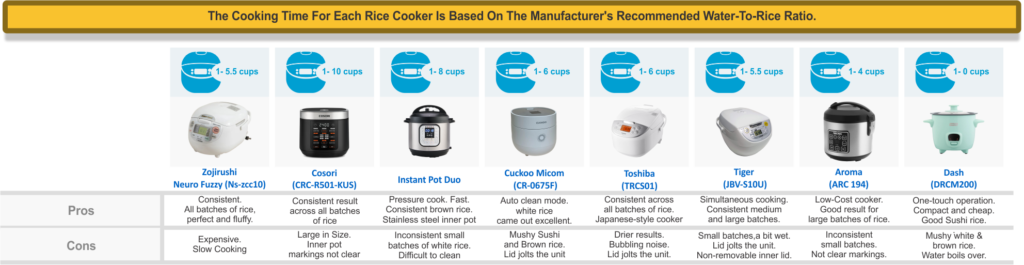
After all of this, if you’re still not sure which rice cooker best suits your needs. We have created a chart that might help you compare all the key specs.
Cooking times across various Rice cooker models.
Pros and Cons of Each Rice Cooker
FAQs
Is an expensive rice cooker worth it?
Yes, if you cook rice daily. Premium models offer better performance and durability.
Can rice cookers cook other foods?
Yes, many rice cookers can steam vegetables, cook soups, and even desserts.
What size rice cooker should I buy?
It depends on your family size. Small for 1–2 people, medium for families, large for gatherings.
Which rice cooker is recommended for large families or daily use?
The COSORI Rice Cooker is ideal for everyday home use, with a large capacity of up to 10 cups and consistent performance across all rice types.
Is the Instant Pot a good choice for cooking rice?
The Instant Pot is a fast and versatile option with a rice setting, but it is less reliable for consistently perfect rice compared to dedicated rice cookers.
Which rice cooker is best for basmati rice?
A rice cooker with a dedicated white rice or long-grain setting works best for basmati rice.
What features should I prioritise?
Focus on capacity, cooking modes, build quality, and smart technology.